

Are Radon Levels High in Massachusetts?
Learn why New England homes are especially vulnerable to radon and what you can do about it.
Read MoreMon–Fri: 7am–7pm · Sat–Sun: 8am–5pm

Commercial / Radon Testing
For business owners, property managers, and school administrators across Greater Boston & the South Shore, testing for radon is vital to protecting occupant health, maintaining workplace safety, and ensuring regulatory compliance.
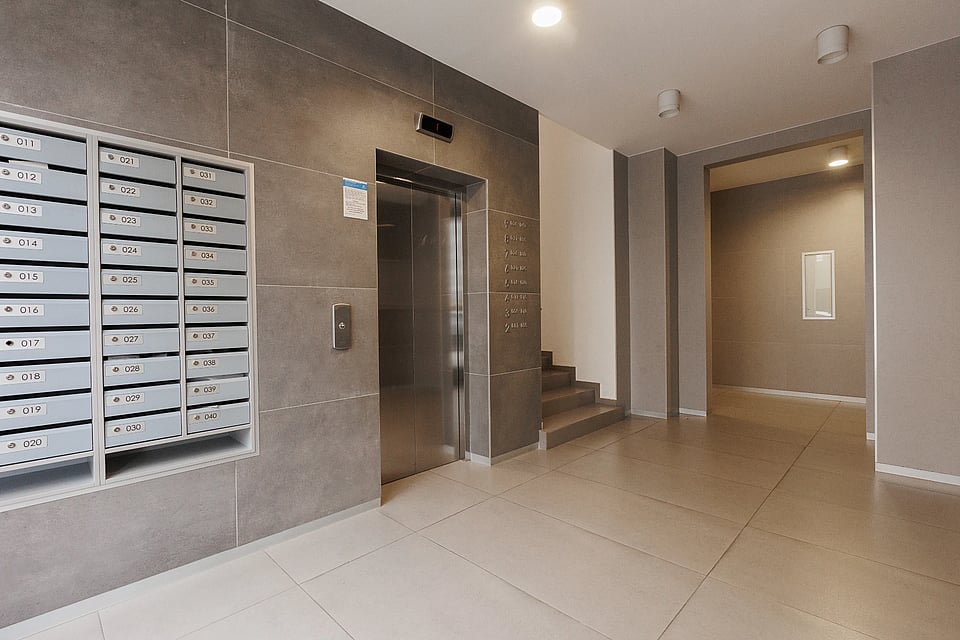
Professional commercial radon testing is a more involved and carefully structured process than a standard residential test, requiring proper device placement, testing duration, and documentation protocols that reflect the larger footprint, varied occupancy zones, and compliance demands of a commercial environment.
Radon is a radioactive gas that accumulates indoors, and prolonged exposure is the second leading cause of lung cancer in the United States. The stakes in a commercial environment are uniquely elevated, because a single building can expose many occupants to dangerous radon levels over the course of a day.
People who spend eight or more hours a day in a commercial building with elevated radon levels face significant cumulative exposure risk.
Schools, healthcare facilities, and other commercial buildings face increasing scrutiny from state agencies, insurers, and accreditation bodies regarding indoor air quality.
If elevated radon potential exists in an area, it affects every structure sitting on that ground equally, regardless of how the building is used.
A commercial property owner who has never tested for radon faces a significant and entirely avoidable liability risk.
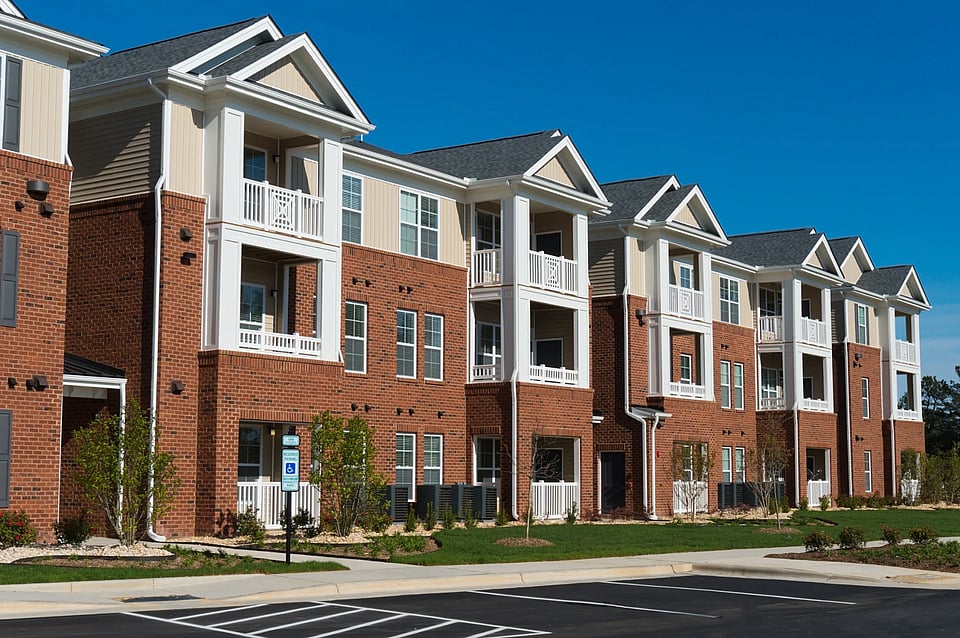
Every commercial property is unique. Our testing protocol is tailored to your building's size, layout, and occupancy patterns to capture accurate readings.
Strategic placement of monitors throughout occupied areas.
Testing duration follows EPA guidelines for reliable baseline data.
NRPP-certified interpretation of results and written recommendations.
Clear documentation suitable for property records and compliance files.
Expert guidance on commercial sub-slab depressurization if needed.
We evaluate your building's layout, foundation type, and occupancy to design an appropriate testing strategy.
We deploy certified monitors and conduct multi-point radon testing following EPA protocols.
You receive a detailed report with findings and expert guidance on next steps if mitigation is warranted.

The process of testing a commercial property is considerably more complex than testing a home. Residential testing typically involves placing one or two devices in the lowest livable area of the home, whereas commercial testing requires a comprehensive assessment of the building's full footprint, foundation type, occupancy zones, and ventilation systems before a single device is placed. Larger commercial properties require multiple testing devices deployed strategically across different areas and floors to produce results that are truly representative of the radon exposure.

This depends on several factors - total square footage, number of occupancy zones, type of foundation, how many floors or basement levels, etc. As a general principle, every ground-contact area where occupants spend meaningful amounts of time should be tested - and in larger buildings with complex layouts, multiple devices deployed across different zones are necessary to ensure that no area of elevated radon concentration goes undetected. A single test device placed in one location of a large commercial building is not sufficient to characterize radon levels throughout the full structure.
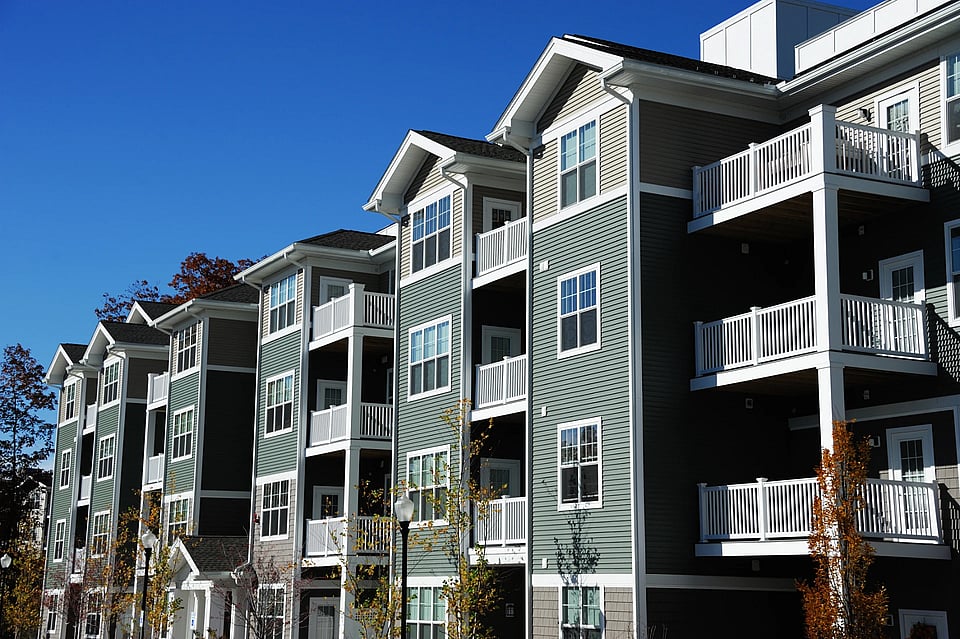
In the vast majority of commercial radon testing scenarios, disruption to daily business operations and building occupants is minimal to none. Testing devices are small, unobtrusive, and placed in low-traffic or inconspicuous locations throughout the building - they require no power, produce no noise, and have no impact whatsoever on the normal functioning of your business or the daily routines of your tenants. The primary requirement during the testing period is that the building be maintained under normal closed-building conditions.
The EPA's recommended action level of 4 pCi/L applies to commercial buildings just as it does to residential properties - any measurement at or above that threshold warrants professional mitigation to reduce occupant exposure to a safe level. However, the EPA also strongly encourages mitigation consideration for indoor radon levels between 2 and 4 pCi/L, and this guidance carries particular weight in commercial settings where employees, students, healthcare patients, or tenants may be spending eight or more hours per day within the building.

Radon Measurement Professional (RMP)
Radon Mitigation Specialist (RMS)
Soil Gas Mitigation Compliance Inspector (SGM-CI)

Indoor Environments Association (IEA) Members

We provide fast, reliable, and effective radon mitigation and property services through Norfolk and Plymouth County.
Towns:
Canton, Westwood, Milton, Needham, Newton, Duxbury, Dover, Wellesley, Sharon, Hingham, Cohasset
Counties:
Bristol, Middlesex, Norfolk, Plymouth, Suffolk
Learn why New England homes are especially vulnerable to radon and what you can do about it.
Read More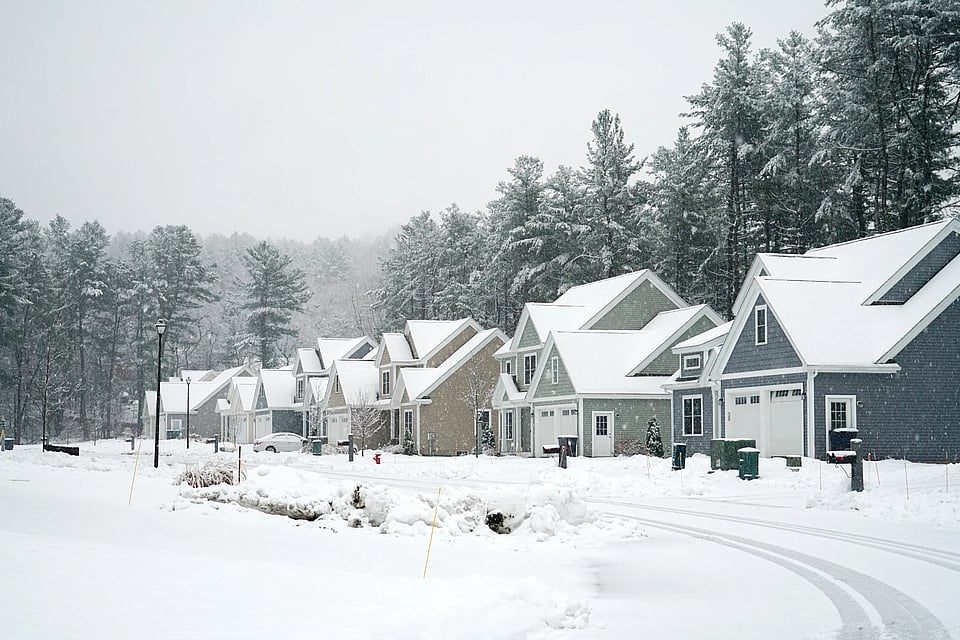
Radon concentrations rise and fall with the seasons, weather, and how your home is used.
Read More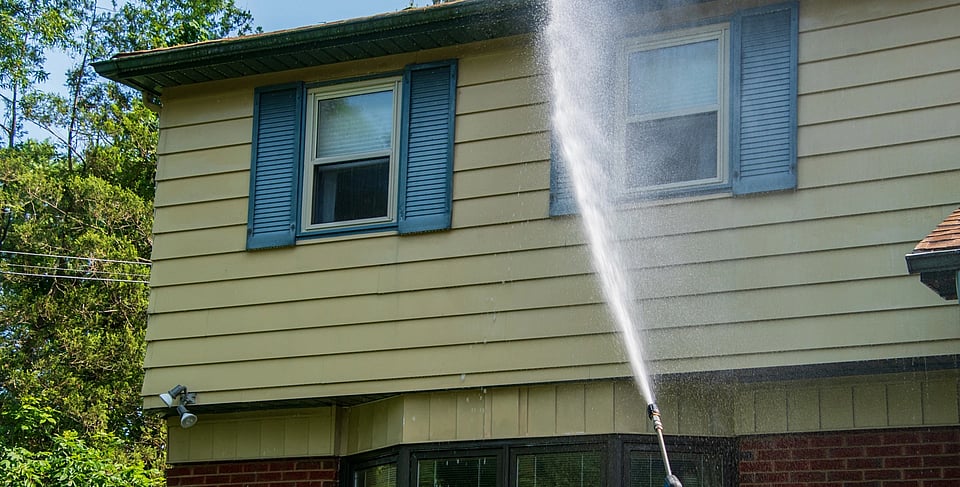
Power washing and soft washing both clean your home's exterior, but they work in very different ways.
Read MoreGet your questions answered and learn what radon levels your commercial property is experiencing. At Bird Dog Specialty, we provide certified commercial radon testing services tailored to the unique footprints, layouts, and occupancy demands of commercial properties in the area.
We conduct every test with the precision, proper placement, and documented protocols that commercial environments require.
Call us directly at (781) 770-1810 or fill out the form below, and we'll get back to you promptly.
Does your commercial radon mitigation system need repair or maintenance? We can help with that.