

Are Radon Levels High in Massachusetts?
Learn why New England homes are especially vulnerable to radon and what you can do about it.
Read MoreMon–Fri: 7am–7pm · Sat–Sun: 8am–5pm

Residential / Radon Testing
Radon testing is an essential first step in safeguarding your home against invisible, sub-surface health hazards. Bird Dog Specialty Contracting provides professional radon testing services for homeowners throughout Greater Boston and the South Shore.

While radon is a year-round concern, the best time to test your home is during the colder months of the year, typically between October and March - this is when homes are closed up tight and radon levels are at their highest. That said, if you've never tested your home at all, the best time to start is as soon as possible.
When testing for radon, be sure to follow closed-house conditions:
Most radon experts and health organizations recommend testing your home at least once every two years, even if your previous results came back below the EPA action level. Radon levels can change over time due to shifts in soil conditions, changes to your home's foundation, renovations, and fluctuations in weather patterns.
If your home has never been tested for radon, that should be your top priority.
Even homes with previously low radon readings should be retested every two years to account for any changes.
If a radon mitigation system has been installed in your home, you should conduct a follow-up test within 24 hours.
Significant changes to your home such as finishing a basement, adding an addition, or altering your HVAC system can directly impact radon levels.
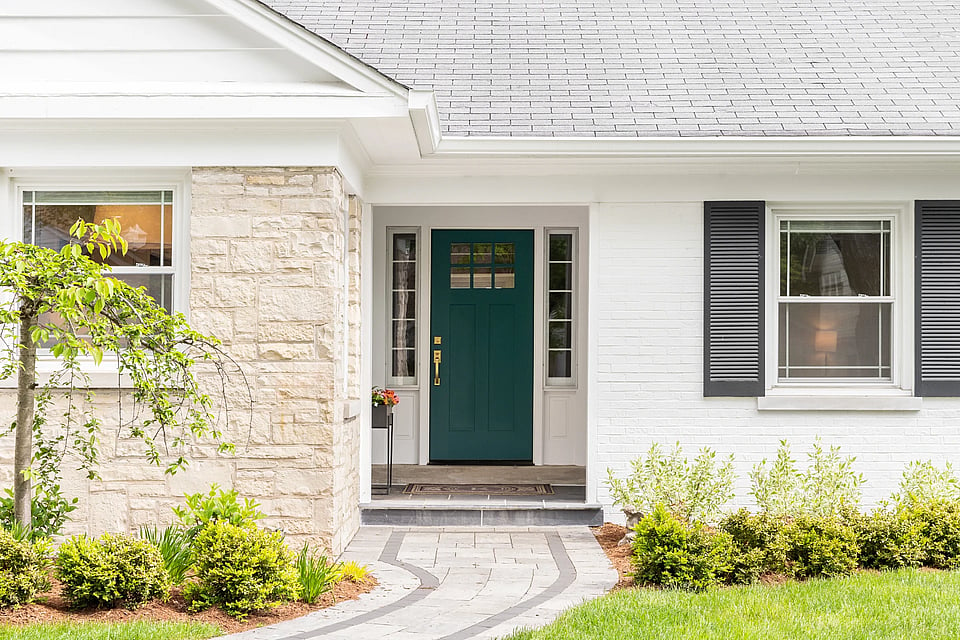
Every property is unique. We approach testing with a structured process that captures accurate readings and identifies any factors affecting radon accumulation in your home or building.
We assess your property's foundation, soil conditions, and structural entry points.
EPA-approved monitors are placed in key areas to capture accurate baseline measurements.
We follow established guidelines to ensure reliable, reproducible results.
Our engineer background ensures thorough interpretation of readings and conditions.
Written reports with recommendations and next steps are provided.
We coordinate a convenient testing time and conduct a thorough property inspection to understand potential radon sources.
Professional-grade monitors measure radon levels, and we carefully document all findings with photos and notes.
You receive a detailed report with clear readings, analysis, and recommendations on whether mitigation or further testing is warranted.
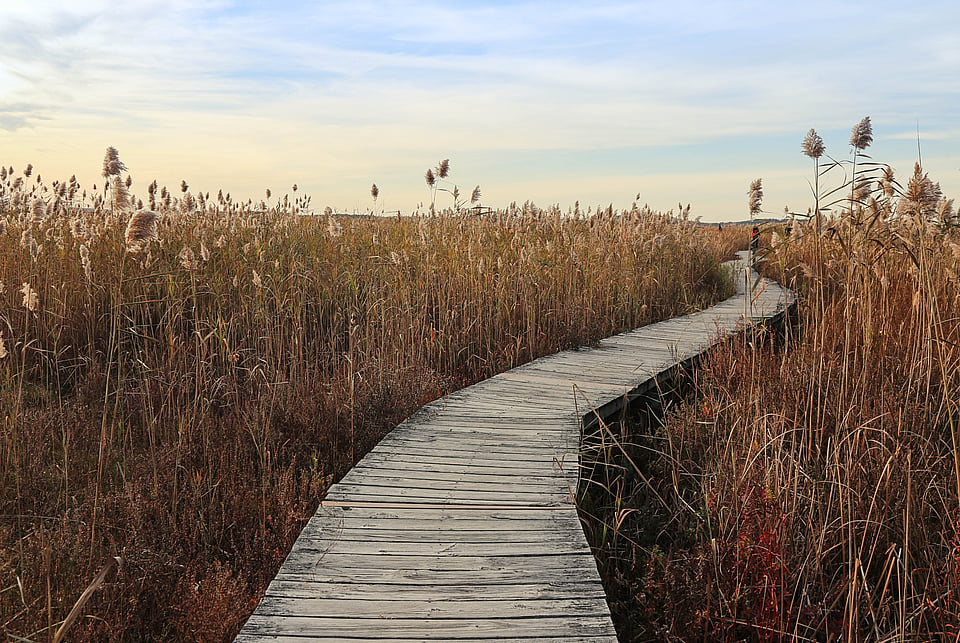
Radon is a colorless, odorless, and tasteless gas, which means that there are no visible signs of high radon levels or exposure. The only way to know if your home has dangerous radon concentrations is to test for it. That's why regular radon testing is essential for every home, regardless of age, location, or construction type.
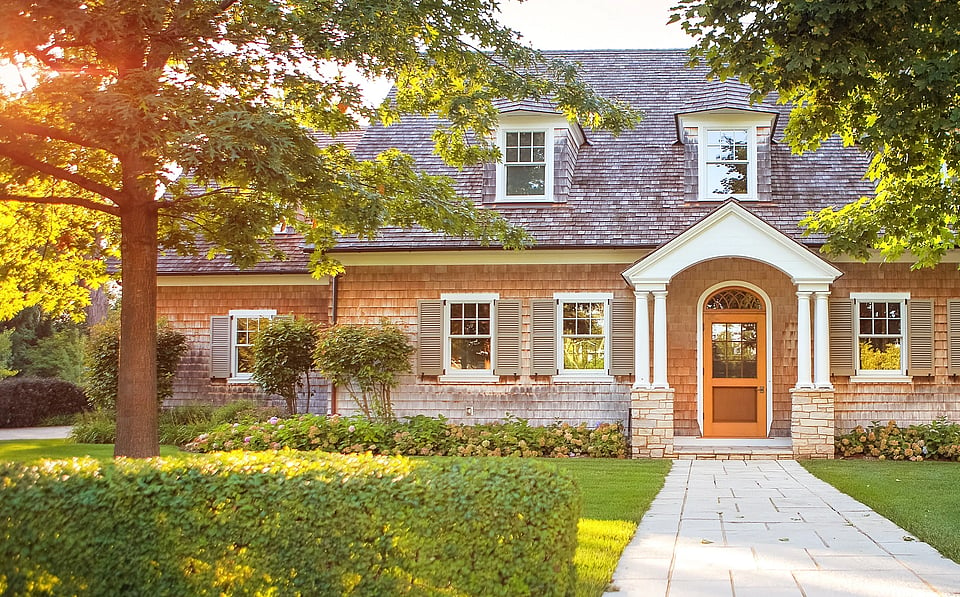
A typical radon test takes just a few minutes to set up. Short-term tests generally run between 48 hours and 7 days, while long-term tests can span 90 days or more for a more accurate picture of your home's average radon levels. The actual measurement period depends on the testing method used, and we'll provide clear guidance every step of the way - including when to expect your results and how to interpret them.
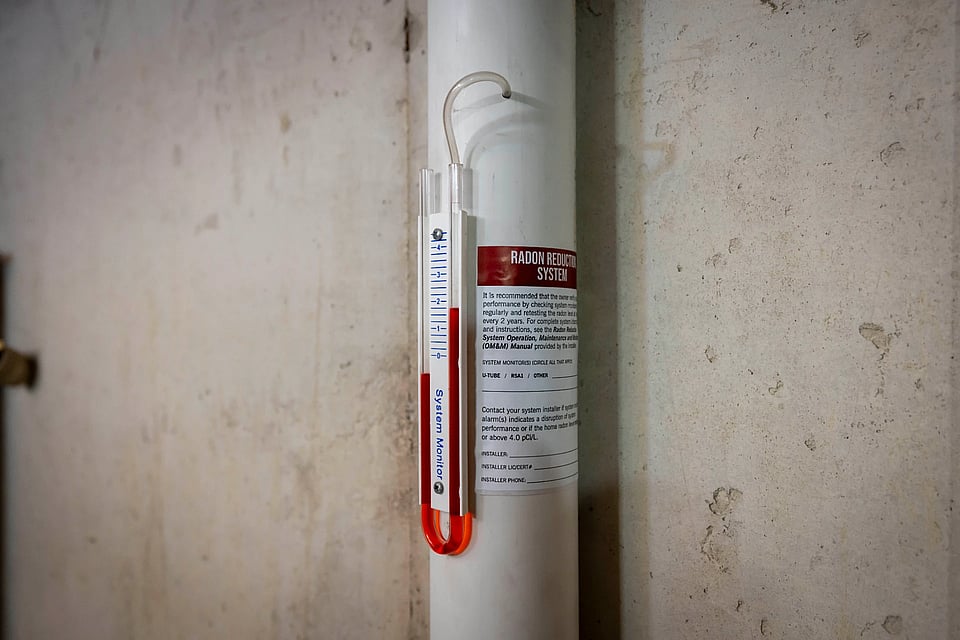
The unit pCi/L stands for picocuries per liter - the standard measurement of radon concentration in the air. The EPA recommends taking action at 4.0 pCi/L or higher, but even levels between 2.0-4.0 pCi/L can be hazardous - and should be addressed. Our detailed reports explain your readings and what they mean for your property.
Not necessarily. Radon levels can vary significantly from home to home, even between neighbors sharing a wall or located side by side. Differences in foundation type, soil composition, ventilation, and construction materials all influence how radon enters and accumulates in a specific structure. The only way to know your home's radon level is to test it directly - never assume based on a neighbor's results.

Radon Measurement Professional (RMP)
Radon Mitigation Specialist (RMS)
Soil Gas Mitigation Compliance Inspector (SGM-CI)
Indoor Environments Association (IEA) Members

We provide fast, reliable, and effective radon mitigation and property services through Norfolk and Plymouth County.
Towns:
Canton, Westwood, Milton, Needham, Newton, Duxbury, Dover, Wellesley, Sharon, Hingham, Cohasset
Counties:
Bristol, Middlesex, Norfolk, Plymouth, Suffolk
Learn why New England homes are especially vulnerable to radon and what you can do about it.
Read More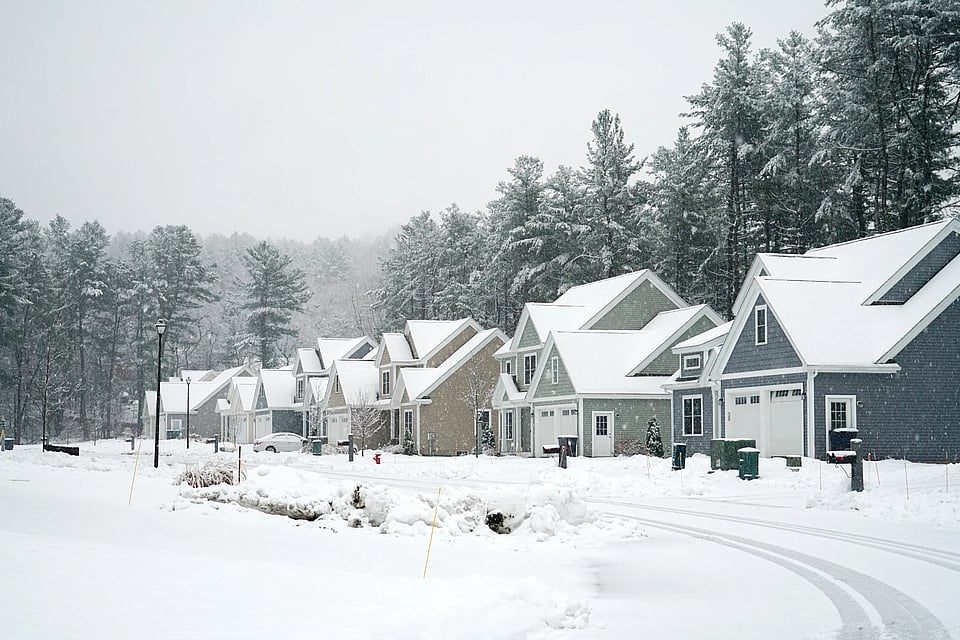
Radon concentrations rise and fall with the seasons, weather, and how your home is used.
Read More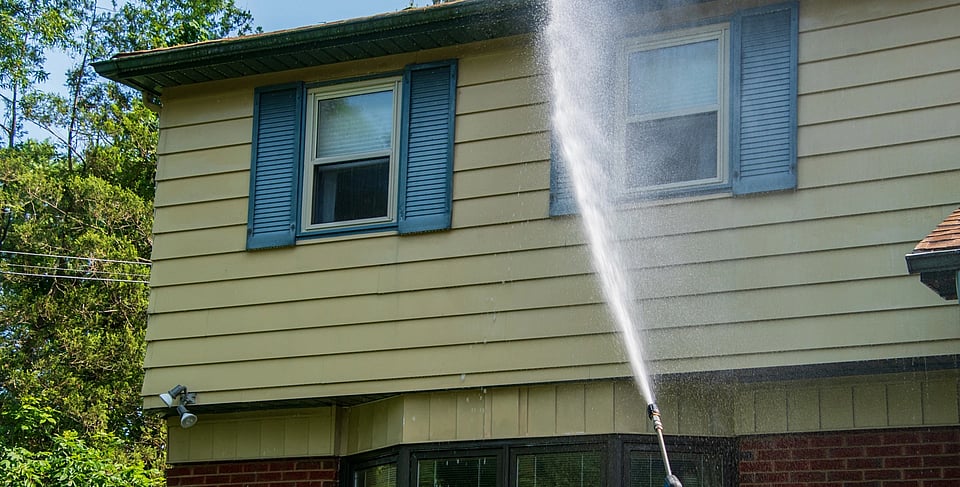
Power washing and soft washing both clean your home's exterior, but they work in very different ways.
Read MoreGet accurate radon measurements and detailed reporting to make informed decisions about your home or property. Our NRPP-certified team brings professional expertise and building science knowledge to every inspection.
Call us directly at (781) 770-1810 or fill out the form below, and we'll schedule your radon testing promptly.
When it comes to residential radon services, we do it all - from mitigation to system maintenance.