

Are Radon Levels High in Massachusetts?
Learn why New England homes are especially vulnerable to radon and what you can do about it.
Read MoreMon–Fri: 7am–7pm · Sat–Sun: 8am–5pm
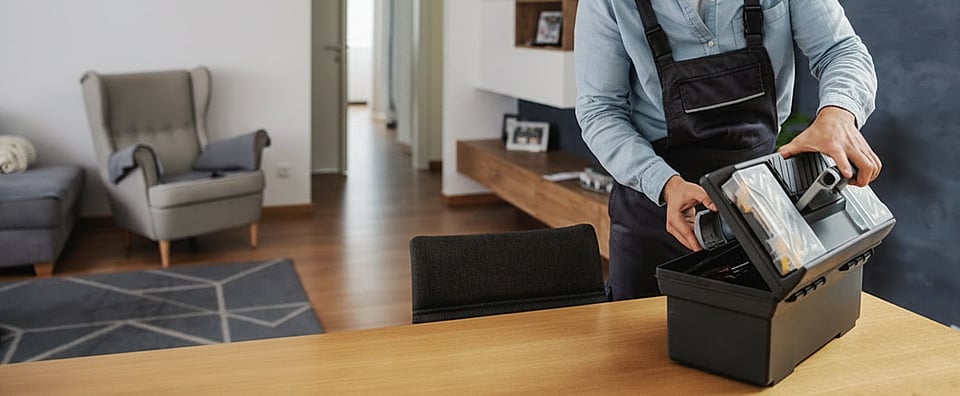
Residential / Radon System Inspection & Upgrades
Bird Dog Specialty inspects, tests, and upgrades radon mitigation systems for Greater Boston and the South Shore. If you need your existing system brought in line with current NRPP standards, we pair a full inspection with radon testing and recommend upgrades like alarms, sealing improvements, pressure field extension, and right-sized fans.
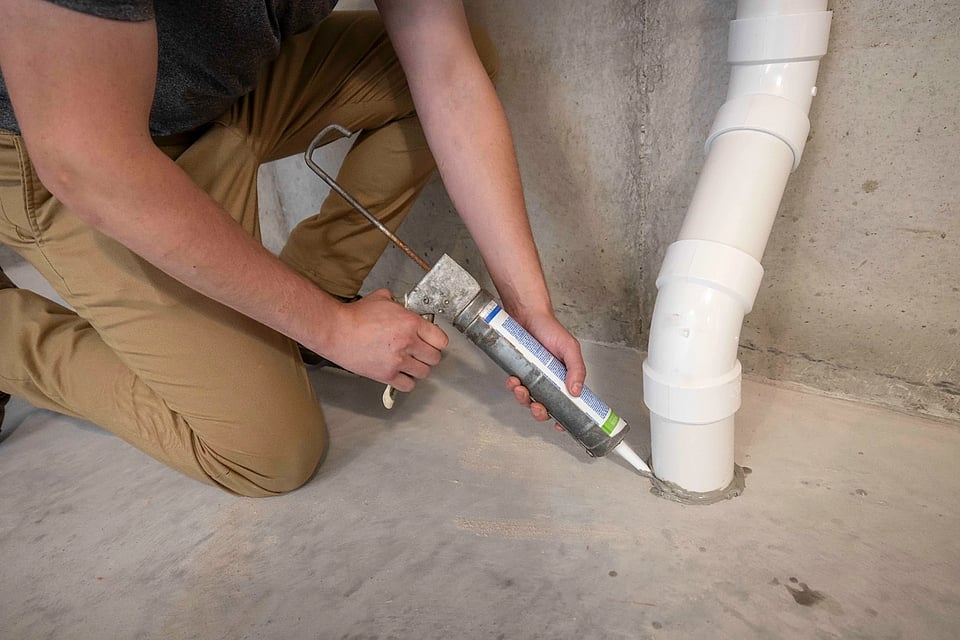
Buying a home that already has a radon mitigation system is common in Massachusetts - but “it’s already installed” is not the same as “it’s working to today’s standards.” We recommend pairing a professional system inspection with radon testing so you know whether the system you inherited is protecting your household and where upgrades make sense.
Ask about Bird Dog Specialty's Radon Care Program for ongoing inspection and performance follow-up - without guesswork.
Contact UsOlder systems can still look intact while falling short of current NRPP practice. During an inspection we look beyond fan funciton and identify upgrades that improve reliability, safety, and long-term performance - while keeping indoor radon well below the EPA's action level of 4 pCi/L.
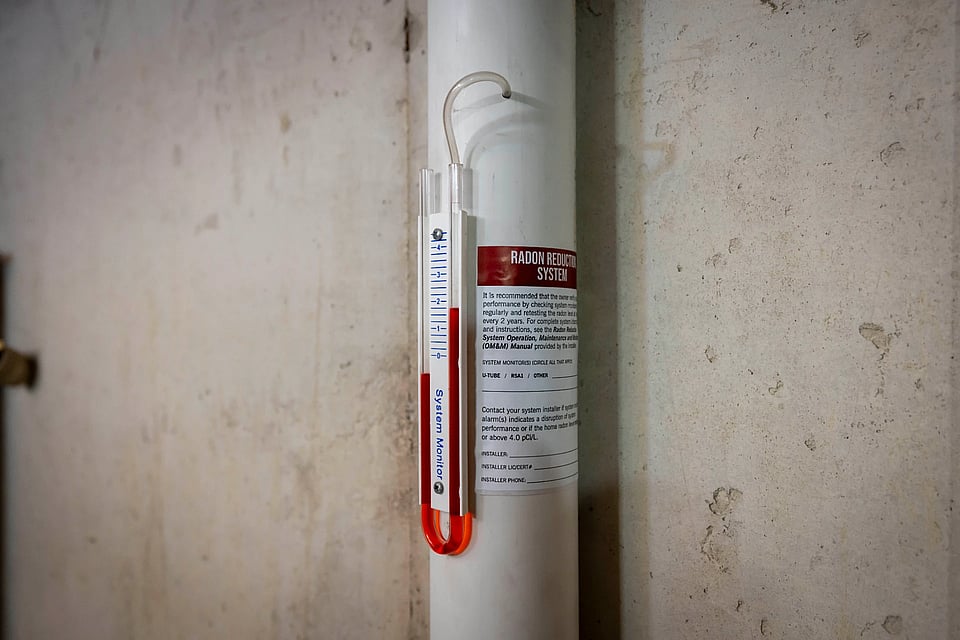
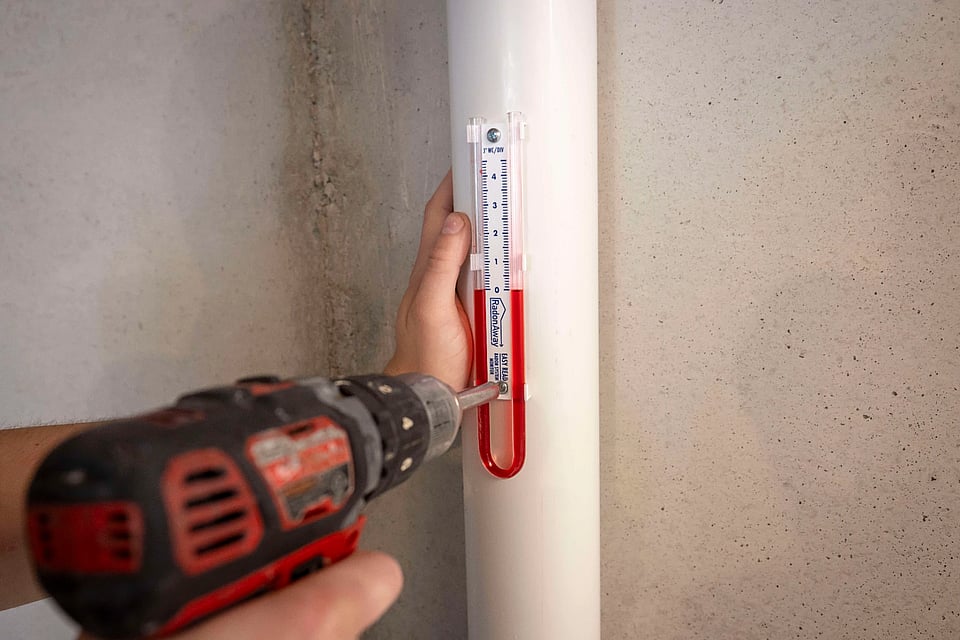
Current NRPP standards emphasize installing a system alarm so a failed fan is obvious - not something you discover months later on a retest. Many existing interiors only show a manometer and no alarm; we can add one as part of an upgrade.
Better sealing improves suction and radon control, but it also changes how air moves through the house. We review sealing with energy impact and combustion-appliance backdrafting risk in mind - not sealing for its own sake.
Effective mitigation depends on whether depressurization extends under the slab or crawl space where radon enters. We assess pressure field extension and recommend improvements when suction is limited or uneven.
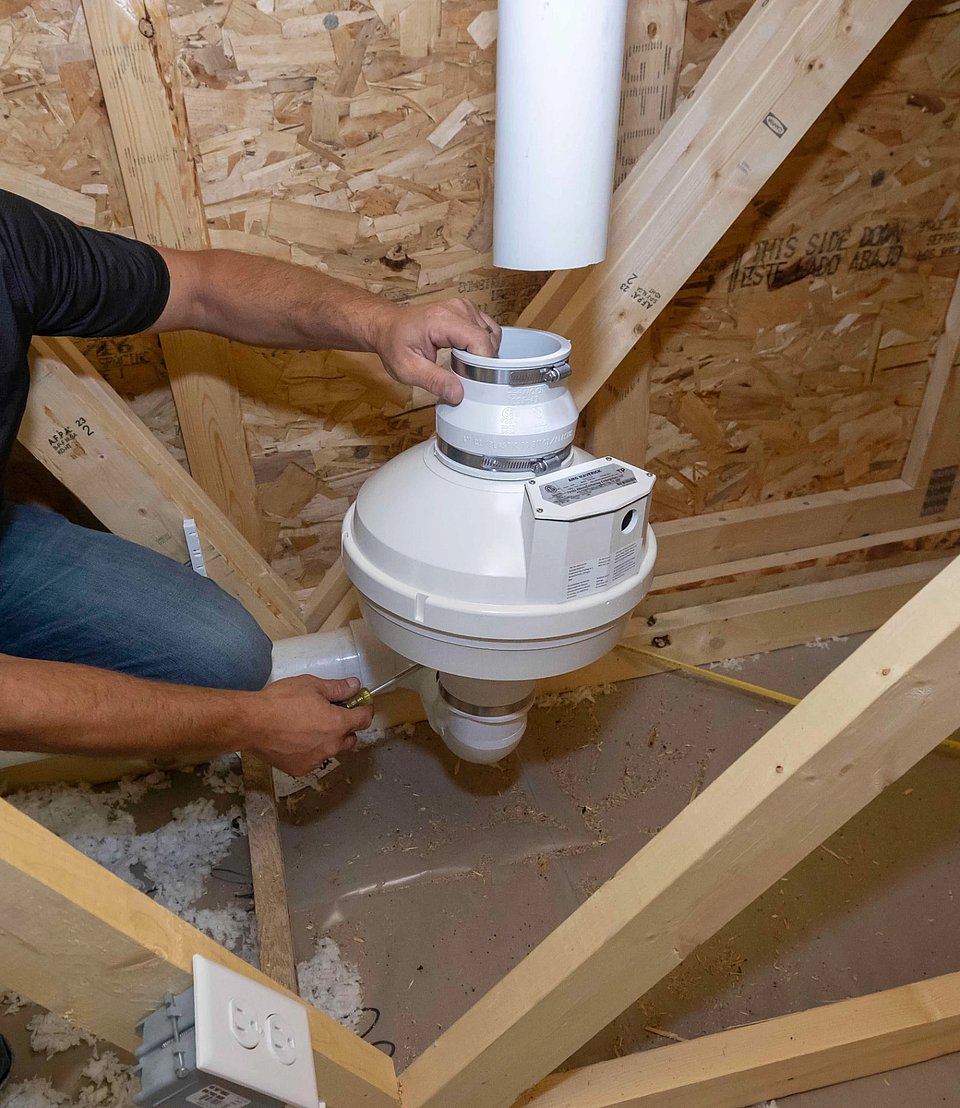
The right fan matches system resistance and needed airflow. Oversized fans waste electricity and can create unnecessary noise or house-pressure issues, while undersized fans fail to control radon. We use fan curves and field readings to right-size replacements.
Every visit is inspection- and standards-focused. We test when appropriate, compare your system to current NRPP practice, and explain which upgrades improve protection, safety, and operating cost.
Especially for inherited systems, we combine a full visual and performance inspection with radon testing so you see how the system actually performs.
We check whether a system alarm is installed and working (many older setups only have a manometer) and add one when it is missing.
We evaluate sealing opportunities with energy use and combustion-appliance backdrafting implications in mind.
We verify whether suction extends under the foundation where it is needed and recommend improvements when coverage is incomplete.
We match fan performance to system resistance - avoiding oversized electricity waste and undersized fans that cannot control radon.
We evaluate fan performance, seals, alarms, pressure field extension, and (especially for inherited systems) pair the visit with radon testing.
We explain gaps versus current NRPP standards - alarms, sealing and backdrafting considerations, pressure field extension, and fan sizing - clearly and without pressure.
We complete agreed upgrades - alarms, sealing work, PFE improvements, or a right-sized fan - and verify performance so you know the system is working as intended.

Yes. An inherited system may look fine and still fall short of current NRPP practice—or may not be reducing radon as well as you assume. We recommend a professional inspection in conjunction with radon testing so you know how the system is performing for your household, whether an alarm is missing, and whether sealing, pressure field extension, or fan right-sizing should be upgraded before you rely on it long-term.
A manometer shows system pressure when you look at it, but many homeowners rarely check it, and many interior photos of older systems show no radon alarm at all. Current NRPP standards emphasize installing an audible or visual alarm so a fan failure is obvious right away. Without an alarm, radon can rise for weeks or months before anyone notices. Adding an alarm is one of the most practical upgrades we recommend on inherited and older systems.
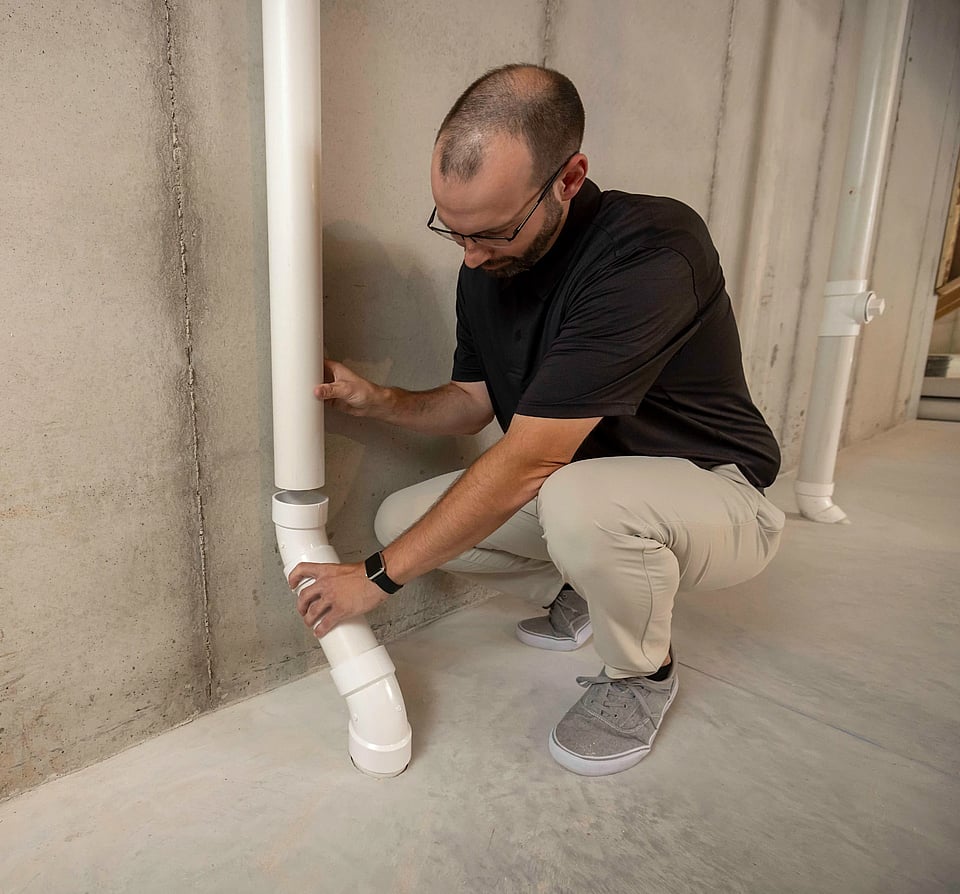
Sealing cracks and openings can strengthen sub-slab suction and improve radon control, but it also changes how air moves through the house. That can affect energy use and, in homes with combustion appliances, raise backdrafting concerns if the house becomes too tight or pressures shift the wrong way. During an inspection we treat sealing as a performance-and-safety decision: seal where it helps mitigation, and account for energy and combustion-appliance implications rather than sealing blindly.
Pressure field extension (PFE) describes how far under the slab or crawl space the system's suction actually reaches. If extension is weak, radon can still enter from untreated areas even when the fan is running. Fan curves plot how a fan performs across different pressures and airflows; using them helps us right-size the fan for your system. An oversized fan wastes electricity and can create unnecessary noise or house-pressure issues; an undersized fan cannot maintain adequate suction. Right-sizing based on field readings and fan curves is a core part of modern upgrades.


Radon Measurement Professional (RMP)
Radon Mitigation Specialist (RMS)
Soil Gas Mitigation Compliance Inspector (SGM-CI)

Indoor Environments Association (IEA) Members

We provide fast, reliable, and effective radon mitigation and property services through Norfolk and Plymouth County.
Towns:
Canton, Westwood, Milton, Needham, Newton, Duxbury, Dover, Wellesley, Sharon, Hingham, Cohasset
Counties:
Bristol, Middlesex, Norfolk, Plymouth, Suffolk
Learn why New England homes are especially vulnerable to radon and what you can do about it.
Read More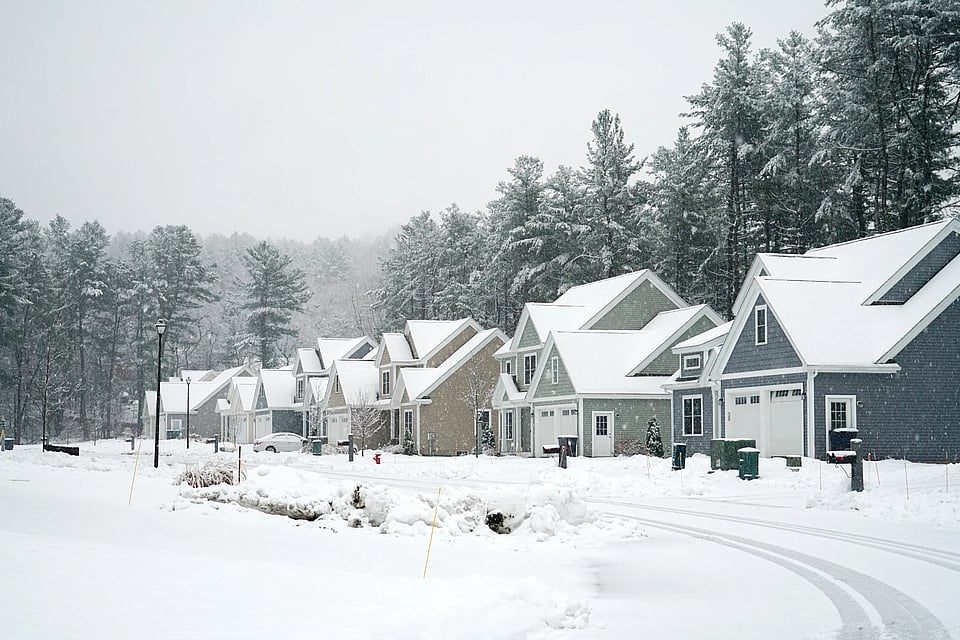
Radon concentrations rise and fall with the seasons, weather, and how your home is used.
Read More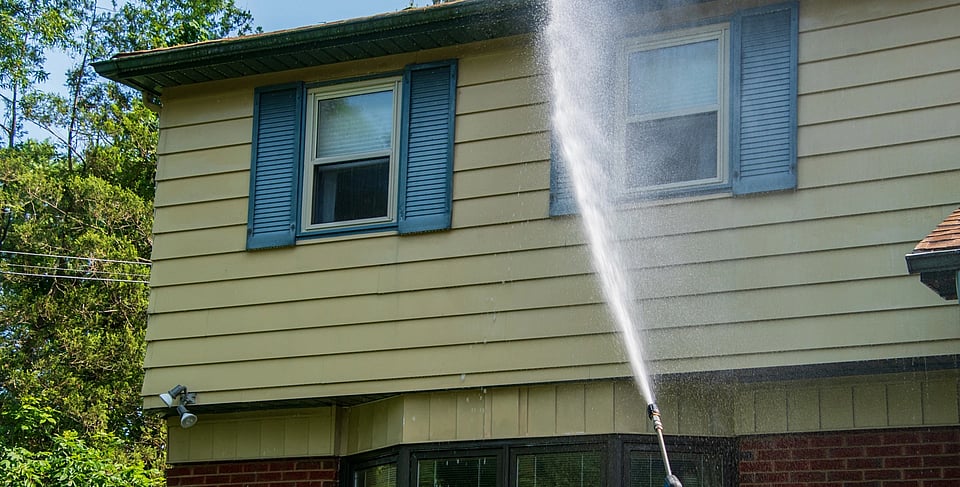
Power washing and soft washing both clean your home's exterior, but they work in very different ways.
Read MoreWhether you inherited a system with a new home, want an inspection paired with testing, or need upgrades for alarms, sealing, pressure field extension, or fan right-sizing, we're ready to help. Fill out the form or call us directly.
Fan failure or sudden system issue? Call us for prompt service - including same-day fan replacement when needed.
Call us directly at (781) 770-1810 or fill out the form, and we'll get back to you promptly.
For residential properties, upgrades often include a right-sized radon fan and a system alarm - reach out if your fan fails or your inherited system has never been inspected.